Kigali, Rwanda, 3 September 2026.3088189
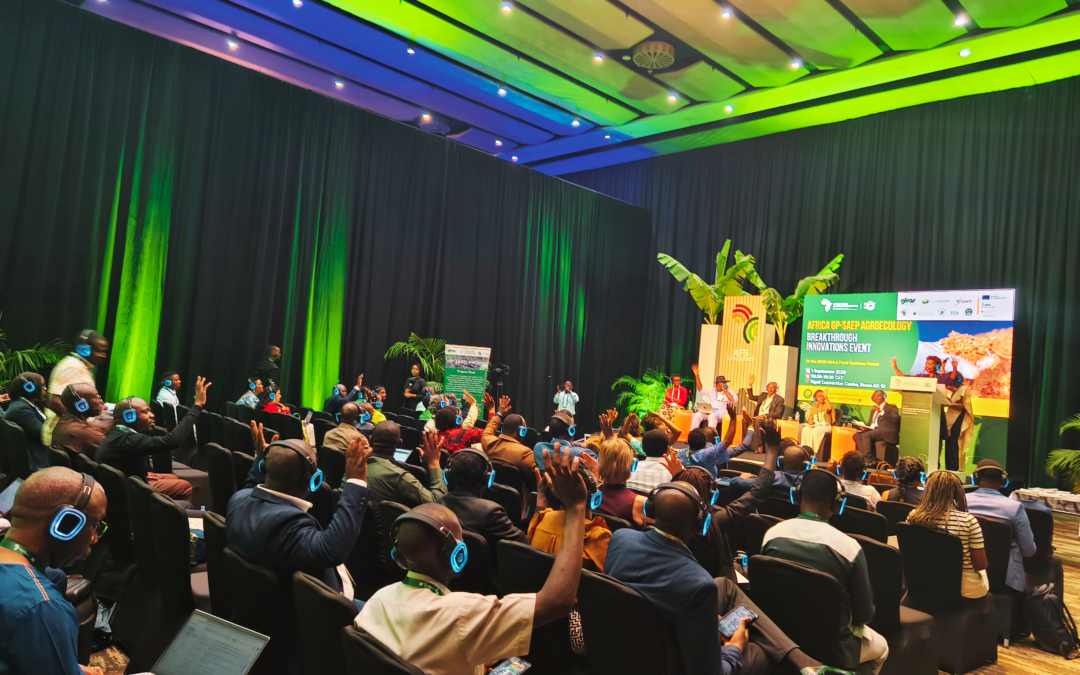
Partners of the Global Programme for Small-scale Agroecology Producers and Sustainable Food Systems Transformation (GP-SAEP) marked the completion of the programme’s Africa implementation phase with a clear call to action: the end of GP-SAEP project must translate into a start of a new action for impact. The knowledge generated, capacities built, innovation breakthroughs, and partnerships initiated MUST be institutionalised, adapted, and scaled to accelerate agroecological transformation across Africa.
The message emerged from the GP-SAEP Africa-ReCaD Wrap-up Workshop, convened by the African Forum for Agricultural Advisory Services (AFAAS) on the sidelines of the Africa Food Systems Forum 2026 in Kigali, Rwanda.
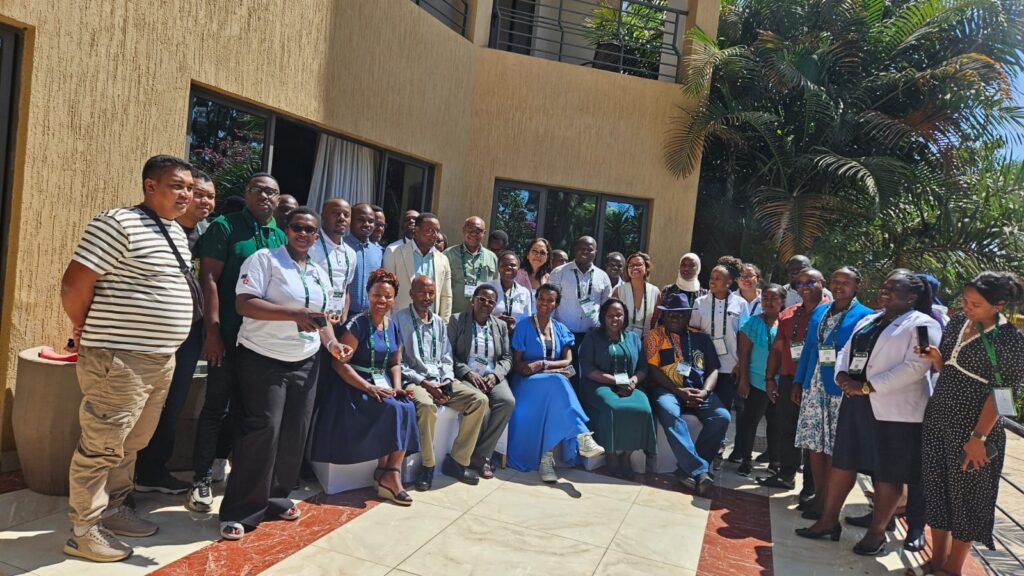
The workshop brought together representatives of Ministries of Agriculture and Extension Departments, AFAAS Country Fora in Uganda, Rwanda and Madagascar, Farmer and Producer organisations, research and innovation institutions, youth networks, development partners, and other Agricultural Knowledge and Innovation System (AKIS) stakeholders. Participants reflected on the GP-SAEP journey, examined evidence and experiences from implementation, identified lessons for replication and scaling, and agreed on priorities for sustaining the gains beyond the project.
Transitioning for impact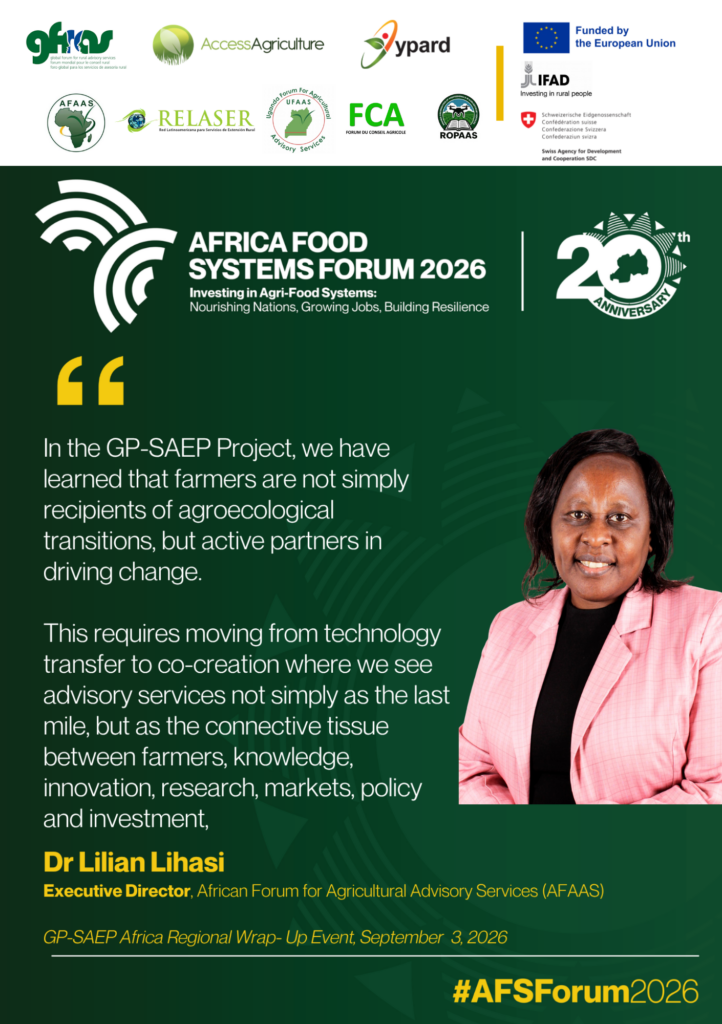
Opening the workshop, AFAAS Executive Director Dr Lilian Kidula Lihasi described GP-SAEP’s completion as a transition rather than an end, calling for institutionalization and scaling of the breakthrough innovations, lessons and experiences acheived.
“There is no project that closes. It just becomes a foundation for the new one… Innovations should not end when a grant ends but should be carried through to another level.”
She urged partners to move beyond documenting lessons to applying them, while strengthening partnerships to sustain and expand the programme’s gains. As Dr Lihasi highlighted that;
“The question today is no longer how do we transfer technology to farmers, but how do we create advisory systems that enable farmers to experiment, to learn, to innovate, connect with knowledge, and scale what works,”. She called for recognition of agricultural advisory services as the ‘connective tissue’ between farmers, knowledge, innovation, research, markets, policy , and investment.
Some lessons from the GP-SAEP Project
Implemented through participatory Rural Advisory Services (RAS), farmer-to-farmer learning, knowledge exchange and strengthened Agricultural Knowledge and Innovation System (AKIS), GP-SAEP generated practical experiences and innovations for supporting small-scale farmers’ transition towards more sustainable and agroecological food systems.
Reflecting on the programme journey, Prof. Hlami Ngwenya, the GP-SAEP Global Coordinator, highlighted one of its fundamental choices of investing in extension and advisory professionals rather than rushing directly to farmers with technologies and practices.
According to Prof. Ngwenya, investing in people was itself a sustainability strategy because knowledge and competencies remain within individuals and institutions beyond the life of a funded project
The approach strengthened not only agroecology knowledge, but systems thinking, personal and professional development, facilitation, methodological competencies, co-creation and digital capabilities.
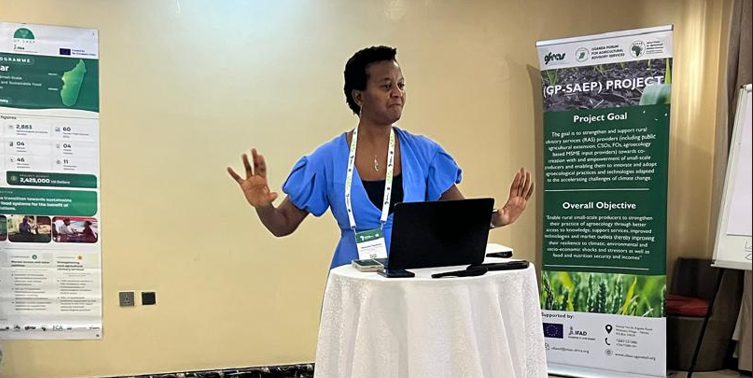
Prof. Hlami Ngwenya at the GP-SAEP Africa Wrap-Up Workshop
The programme also generated lessons from combining participatory approaches, including Farmer Field Schools and family farming learning approaches; integrating digital technologies such as smart projectors; using blended learning; developing learning clusters and cascade models; strengthening institutional anchoring; engaging young people; and systematically building portfolios of evidence.
A particularly important lesson was that agroecological transformation cannot be reduced to transferring technologies to farmers. Farmers must be recognised as partners, experimenters and innovators. This places extension and advisory services at the centre of a wider system, connecting farmers and their knowledge with research, innovation, markets, policy, and investment.
Farmers’ Voices
Representing Farmers, Mr. Daudi Odongo a farmer from Lira in Uganda expressed gratitude, and how the GP-SAEP empowered him to transition to agroecology. He rears the rich-protein Back Soldier Fly among other agroecology innovations. He expressed confidence that skills gained from the project would propel him to train more farmers in his area and continue the legacy of the project.
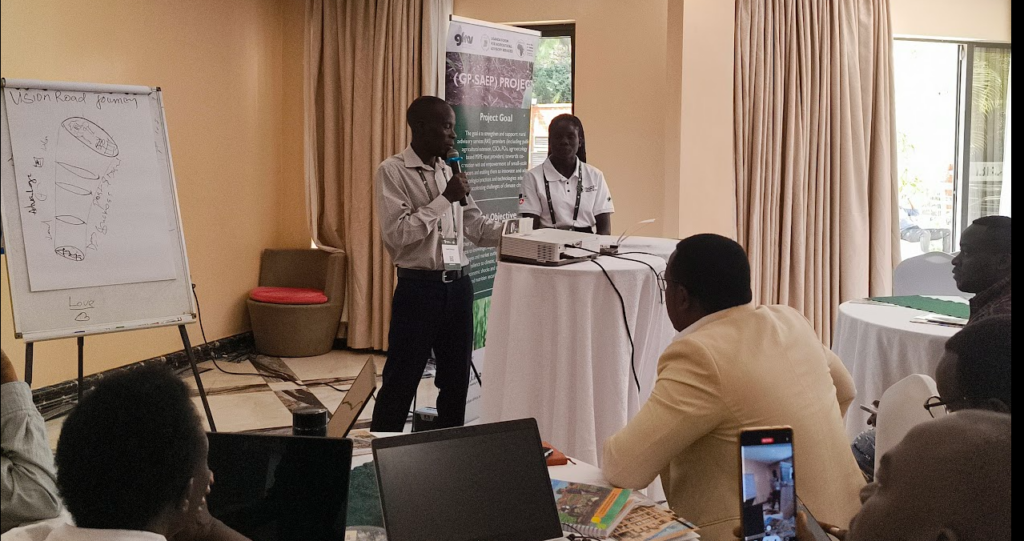
Daudi Odong (L), Farmer from Lira, Northern Uganda
Ensuring that innovations move beyond where they originate.
GP-SAEP experiences demonstrated the importance of documenting evidence, testing approaches in context, connecting innovations to institutions, and creating mechanisms through which successful practices can be adapted and replicated elsewhere.
This informed one of the most significant outcomes of the Kigali meeting, a roadmap for sustaining and institutionalising GP-SAEP achievements through the Africa Agroecology Innovations Consortium (Africa AgroEcoIn Consortium). The consortium was presented during the workshop as a mechanism for carrying the work forward beyond GP-SAEP.
Participants announced the Africa Agroecology Innovations Consortium as a platform that will serve as a clearing house for agroecology innovations across Africa.
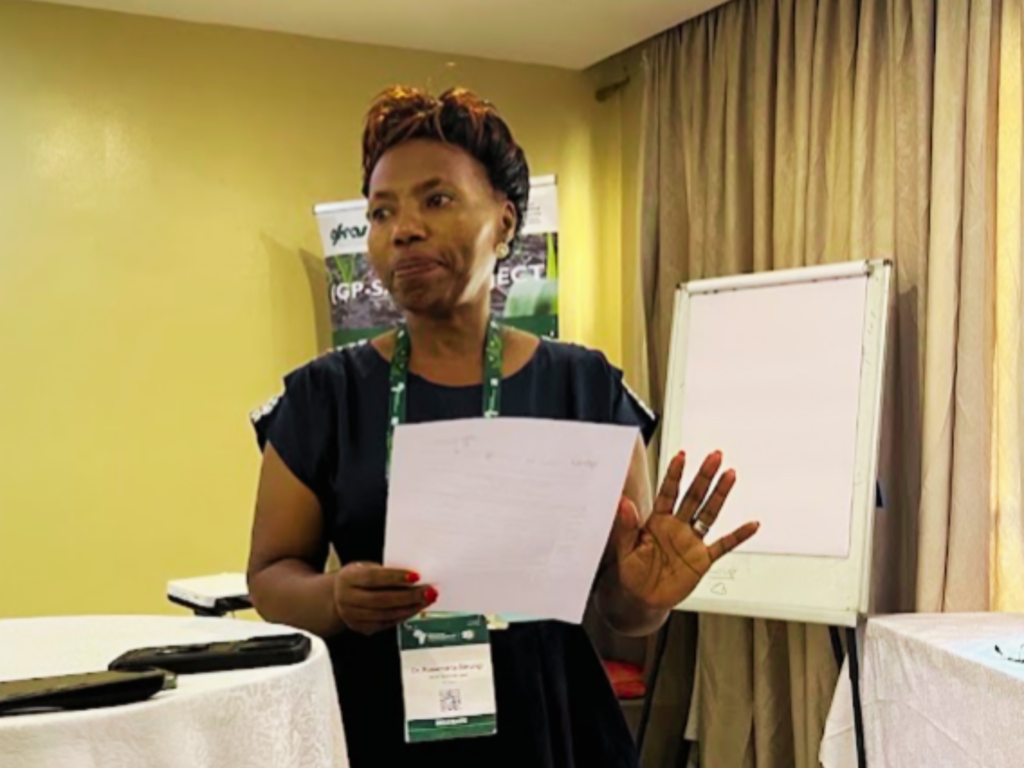
Dr Rosemirta Birungi, AEAS Technical lead, AFAAS
Dr Rosemirta Birungi, Agricultural Extension and Advisory Services (AEAS) Technical Lead at AFAAS, emphasized that the Agroecology Innovation Consortium will provide a mechanism for identifying, evaluating, documenting and connecting agroecology breakthrough innovations through Technology Readiness Levels (TRLs). This will help determine their maturity and readiness for further exploitation and replication to scale.
The Agroecology Innovation Consortium initiative responds directly to a concern raised throughout the workshop that Africa’s breakthrough innovations should not remain isolated within individual projects, communities, or countries. Instead, Africa needs systems capable of identifying what works, establishing the evidence behind projects, and connecting mature innovations with actors and opportunities that can take them to scale.
Strong Institutional anchoring is critical to carry the work forward
The closure discussions also placed considerable responsibility on national governments, extension systems, and AFAAS Country Fora, in the recommendations.
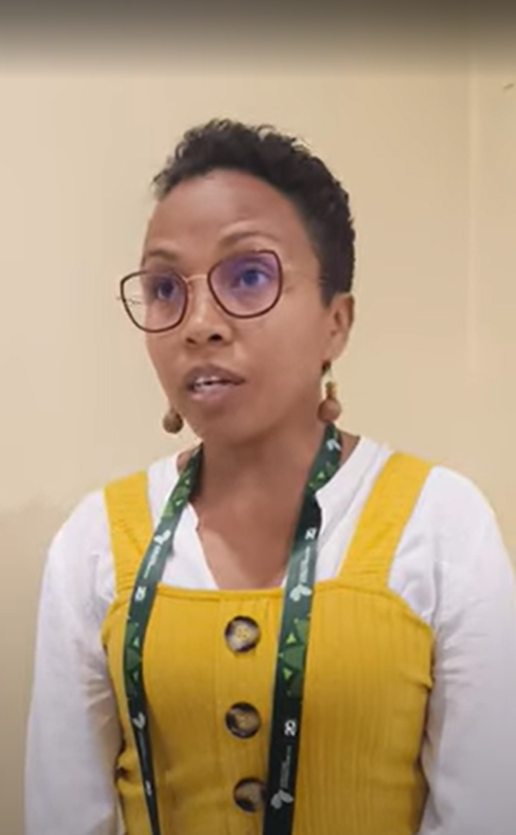
Ms Rakotoarison Hoby Andrianjatovo, Director of Extension at the Ministry of Agriculture, Madagascar
The Director of Extension from Madagascar’s Ministry of Agriculture, Ms Rakotoarison Hoby Andrianjatovo, emphasised the importance of carrying the approaches and learning generated through GP-SAEP into national systems rather than allowing them to remain project-based. She committed national institutional integration of GP-SAEP innovative methodologies into operationalisation of national extension policy and called for other Africa National Extension frameworks to do so. Ms. Hoby called for stronger extension structures at national and continental level as well as continued collaboration among the AKIS Stakeholders that have been brought together through the GP-SAEP programme.
Dr Roseline Nyamutale, UFAAS Vice Chairperson of the Board, similarly underscored the importance of sustaining the networks, capacities and partnerships established through GP-SAEP. Country Fora have an important role in convening AKIS actors, strengthening the voice and professionalism of advisory services and ensuring that lessons generated through projects are connected to national priorities and future programmes, she said.
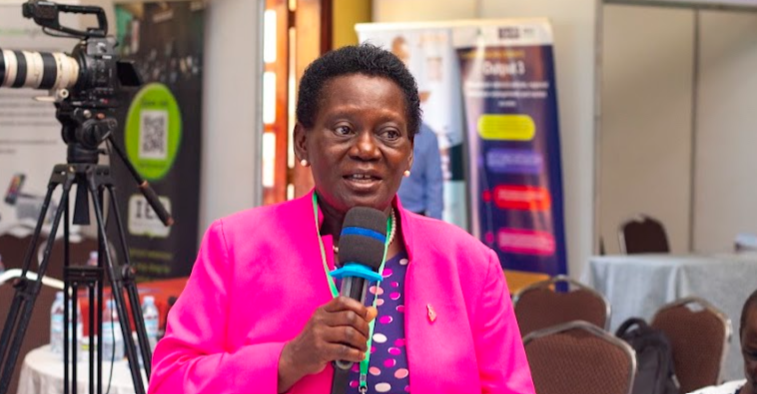
Dr Roselline Nyamutale, Vice Chairperson, Board of Directors, Uganda Forum for Agricultural Advisory Services (UFAAS)
The workshop’s closure recommendations therefore pointed towards stronger institutionalisation of participatory RAS, continued professional development of extension practitioners, greater recognition of farmers as knowledge and innovation partners, investment in digital advisory approaches, stronger farmer-to-farmer learning, and deeper collaboration among research, extension, government, farmer organisations, youth, private sector and development partners. These priorities reflect the workshop’s stated objective of securing stakeholder commitments and practical pathways for sustainability beyond project closure.
Closing the GP-SAEP ReCaD workshop, Dr Karen Munoko, Executive Support and Partnerships Officer at AFAAS, reinforced the forward-looking character of the discussions by calling on Partners and AKIS Stakeholders to take ownership of the lessons, recommendations and commitments emerging from Kigali Africa Food Systems Summit (AFSF ) 2026 and ensure that the momentum continues beyond the programme. She thanked all partners for the fruitful collaboration and support.
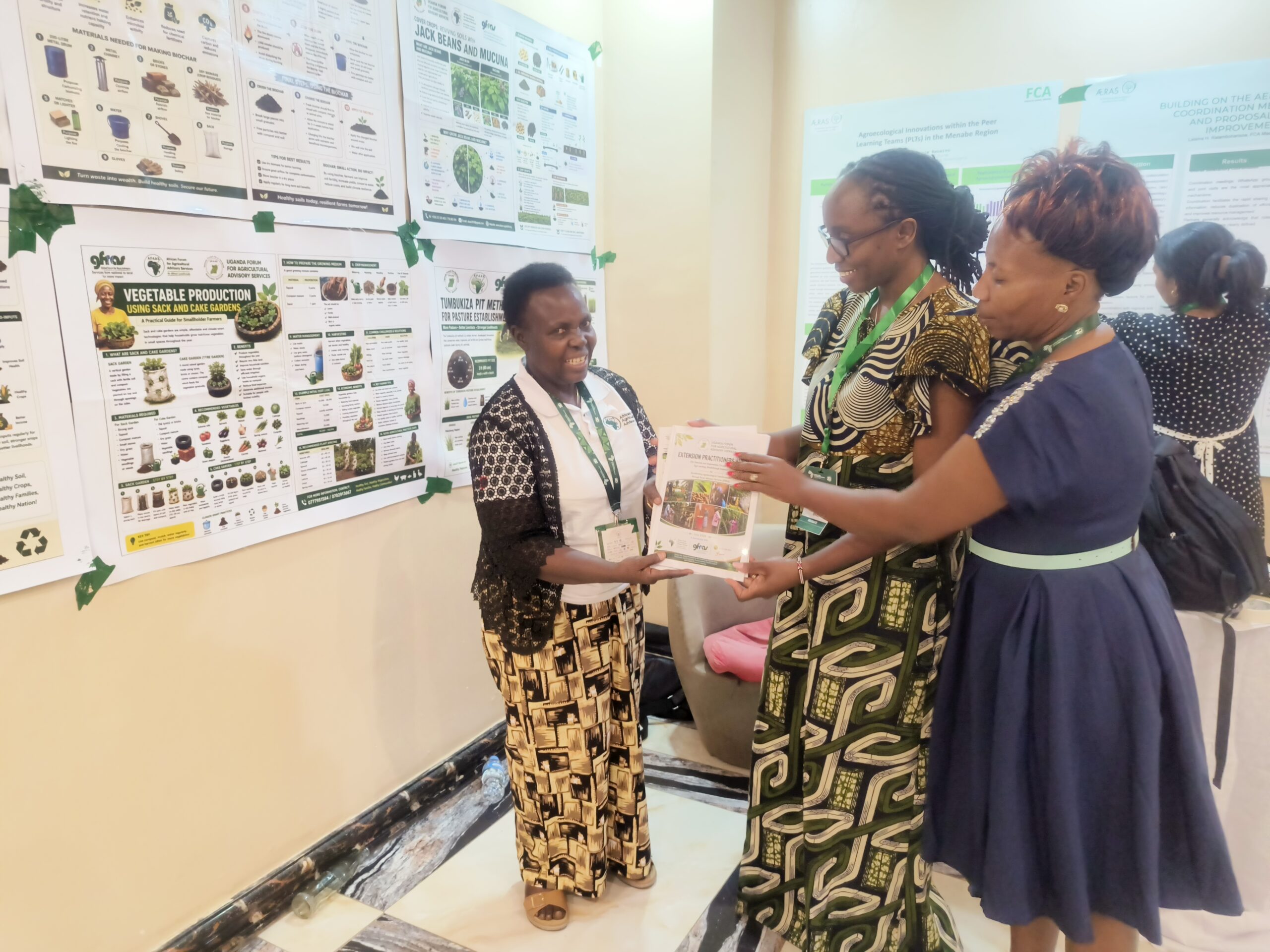
Ms Beatrice Luzobe, UFAAS CEO (L), hands over a compilation of tested agroecology innovations to Drs Karen Munoko and Rosemirta Birungi of AFAAS.
The Africa Agroecology Innovations Consortium provides one pathway for carrying that legacy forward; hence, the aspiration of consolidating the GP-SAEP Breakthrough Innovation would best be maintained through a Partners Consortium. Dr. Karen then declared the GP-SAEP Africa Wrap-up Closure Event officially closed.
END.
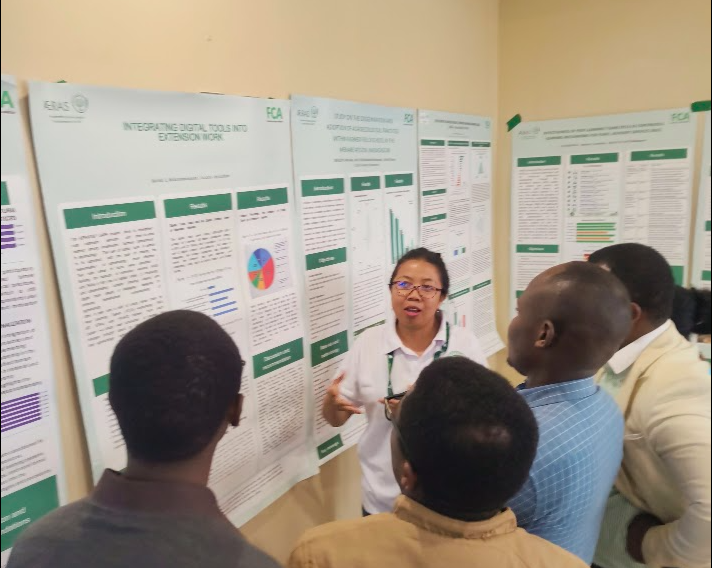
An implementer from Madagascar, presents some of the research done as part of the GP-SAEP Project.
For more details, please contact Dr Rosemirta Birungi on brosemirta@afaas-africa.org
Compiled by Elizabeth Asiimwe, alizeff@yahoo.com